

Sodium-Ion Batteries for Residential Homes: The Latest Breakthrough and What It Means for Australia
Australia is one of the world’s fastest-growing solar markets, and now the next big shift is happening in home battery storage. While lithium-ion batteries (especially LFP lithium iron phosphate) currently dominate the market, a new contender is rapidly emerging: sodium-ion batteries.
In 2026, sodium-ion battery technology has reached a turning point. Major manufacturers are scaling production, and early residential energy storage systems are beginning to appear in global and Australian discussions. For homeowners looking to reduce electricity bills, improve energy independence, and maximise solar self-consumption, sodium-ion batteries could soon become a serious alternative.
So what are the latest developments, and why is the Australian market uniquely positioned to benefit?
What Is a Sodium-Ion Battery?
A sodium-ion battery works similarly to a lithium-ion battery, but instead of lithium, it uses sodium (salt-based materials) as the charge-carrying element. Sodium is far more abundant than lithium and can be sourced from common raw materials such as seawater and salt deposits.
Because of this, sodium-ion technology is often promoted as a solution to rising lithium costs and supply chain constraints.
For Australian homeowners, sodium-ion batteries are being positioned as a future-ready option for residential solar battery storage, particularly as demand grows for affordable and safer home energy systems.
The Latest Developments in Sodium Battery Technology (2025–2026)
Over the last two years, sodium-ion batteries have moved from “experimental” to commercial-scale manufacturing.
- Major manufacturers scaling production
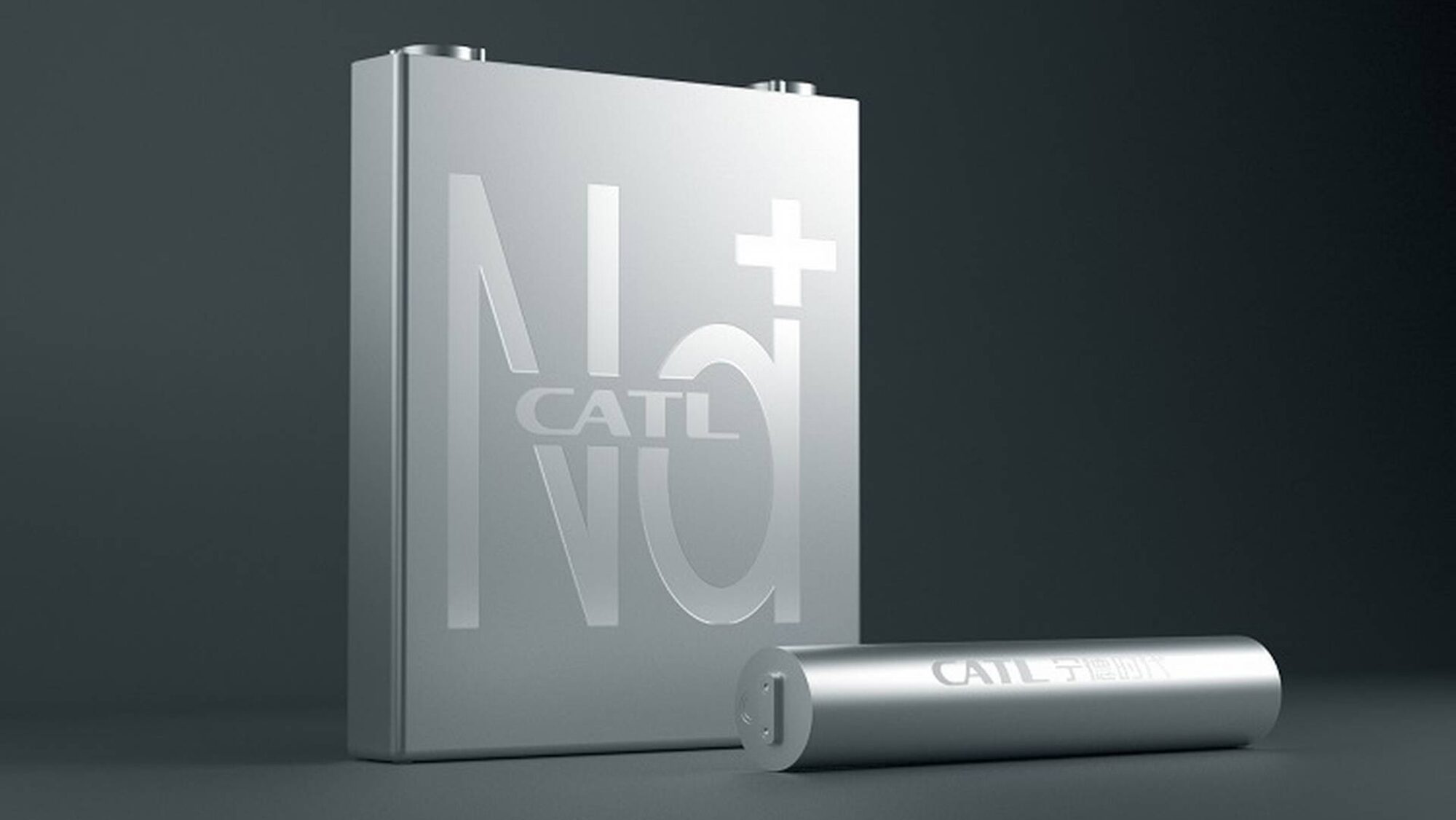
Global battery giants such as CATL and BYD have announced and launched sodium-ion battery product lines, including grid-scale storage systems. This is a major milestone, because it proves sodium-ion is no longer just a laboratory innovation—it’s being deployed in real-world energy storage projects.
This is significant for the residential sector, because grid-scale adoption usually happens first, followed by consumer home battery rollouts.
- Improved performance and cycle life
Early sodium-ion batteries struggled with lower energy density compared to lithium. However, newer sodium-ion cells now offer improved energy capacity, stronger charging performance, and better long-term cycling.
For Australian households using batteries daily (especially under time-of-use tariffs), cycle life is a key advantage. A battery that can reliably charge and discharge every day for 10–15 years is far more valuable than a cheaper system that degrades quickly.
- Better safety characteristics
One of the strongest selling points of sodium-ion batteries is safety. Sodium-ion chemistry is widely considered more thermally stable than traditional lithium-ion chemistries.
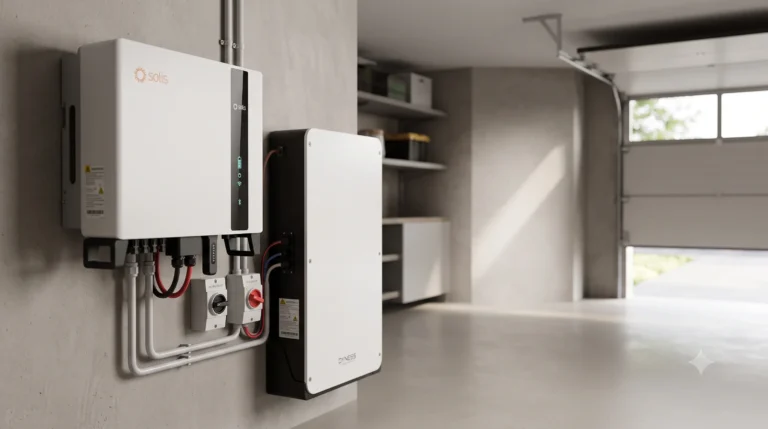
In the Australian residential market—where battery safety regulations and installation standards are increasingly strict—this matters. Homeowners are looking for battery systems that are safer to install in garages, utility rooms, and external enclosures, particularly in high-temperature environments.
Why Sodium-Ion Batteries Could Be Perfect for Australian Homes
Australia has unique energy conditions that make sodium-ion batteries particularly attractive.
Australia’s high solar penetration
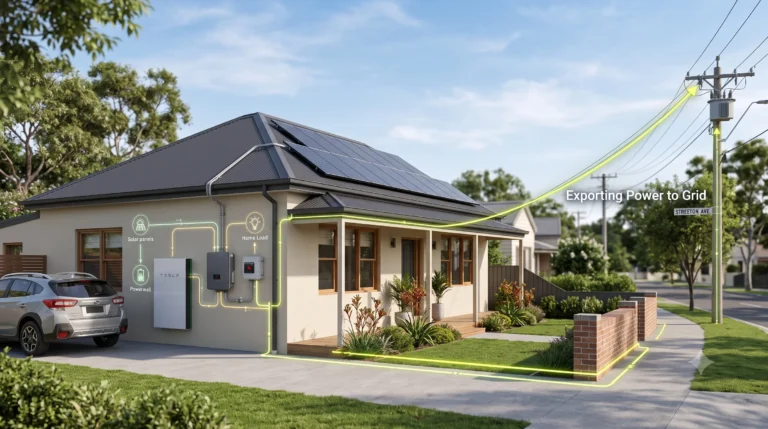
With over 3 million rooftop solar installations nationwide, Australia leads the world in residential solar uptake. But exporting excess solar energy to the grid is becoming less profitable due to falling feed-in tariffs.
A sodium-ion home battery allows homeowners to store solar energy during the day and use it at night—maximising self-consumption and reducing reliance on the grid.
Rising electricity prices and TOU tariffs
Electricity prices in Australia remain volatile, and time-of-use pricing means evening power is often the most expensive. A battery system that can handle daily cycling is ideal for households wanting to avoid peak tariffs.
Sodium-ion batteries are expected to perform well in these high-cycle residential use cases.
Potential for lower battery costs
Because sodium is abundant and easier to source, sodium-ion batteries could reduce long-term cost pressure in the energy storage market. If manufacturing scales globally, sodium-ion systems may offer lower $/kWh pricing than lithium-based systems.
For homeowners searching for an affordable solar battery storage system in Australia, this could be a game-changer.
The Australian Market: Rebates and Battery Incentives Driving Demand
The timing for sodium-ion batteries couldn’t be better. Australia is experiencing a surge in battery installations thanks to government support.
The Federal Government’s Cheaper Home Batteries Program, introduced through the Small-scale Renewable Energy Scheme framework, is pushing more households to consider battery storage. This type of incentive accelerates adoption and could make it easier for new battery technologies like sodium-ion to enter the mainstream market.
As Australian consumers become more educated about energy independence and solar battery payback periods, demand for alternatives beyond lithium will increase.
Key Challenges Sodium-Ion Batteries Must Overcome
Despite the hype, sodium-ion batteries are not a perfect replacement for lithium-ion—yet.
Lower energy density
Sodium-ion batteries generally require more physical space for the same usable storage capacity. This may not matter for larger homes with garages or external battery locations, but it could be limiting for smaller properties or compact urban installs.
Certification and product availability in Australia
For sodium-ion home batteries to become mainstream, manufacturers must ensure compliance with Australian standards such as AS/NZS battery installation requirements, inverter compatibility, and local warranty support.
Until there are more certified products widely available, lithium-ion will remain the dominant choice for most homeowners.
What Homeowners Should Look for in a Sodium-Ion Home Battery
If sodium-ion batteries begin entering the Australian residential market at scale, homeowners should compare:
- Usable kWh capacity
- Warranty length and performance guarantees
- Cycle life (daily cycling capability)
- Safety ratings and thermal stability
- Inverter compatibility (hybrid and retrofit)
- Backup power functionality
- VPP readiness (Virtual Power Plant participation)
These factors will determine whether sodium-ion storage delivers better long-term value than lithium-based batteries.
The Future of Sodium-Ion Batteries in Australia
Sodium-ion batteries are no longer “future tech.” They are quickly becoming a real contender in the global energy storage market. For Australia, where rooftop solar is already mainstream and battery demand is accelerating, sodium-ion could soon become a popular option for cost-effective, safe, and long-lasting home energy storage.
Over the next 2–5 years, expect to see sodium-ion batteries appear more frequently in Australian residential battery conversations, especially as manufacturers expand supply and local certification improves.
For homeowners who want to reduce grid reliance, cut electricity bills, and future-proof their solar investment, sodium-ion batteries may be the next major breakthrough in Australia’s clean energy revolution.