

What is a Virtual Power Plant?
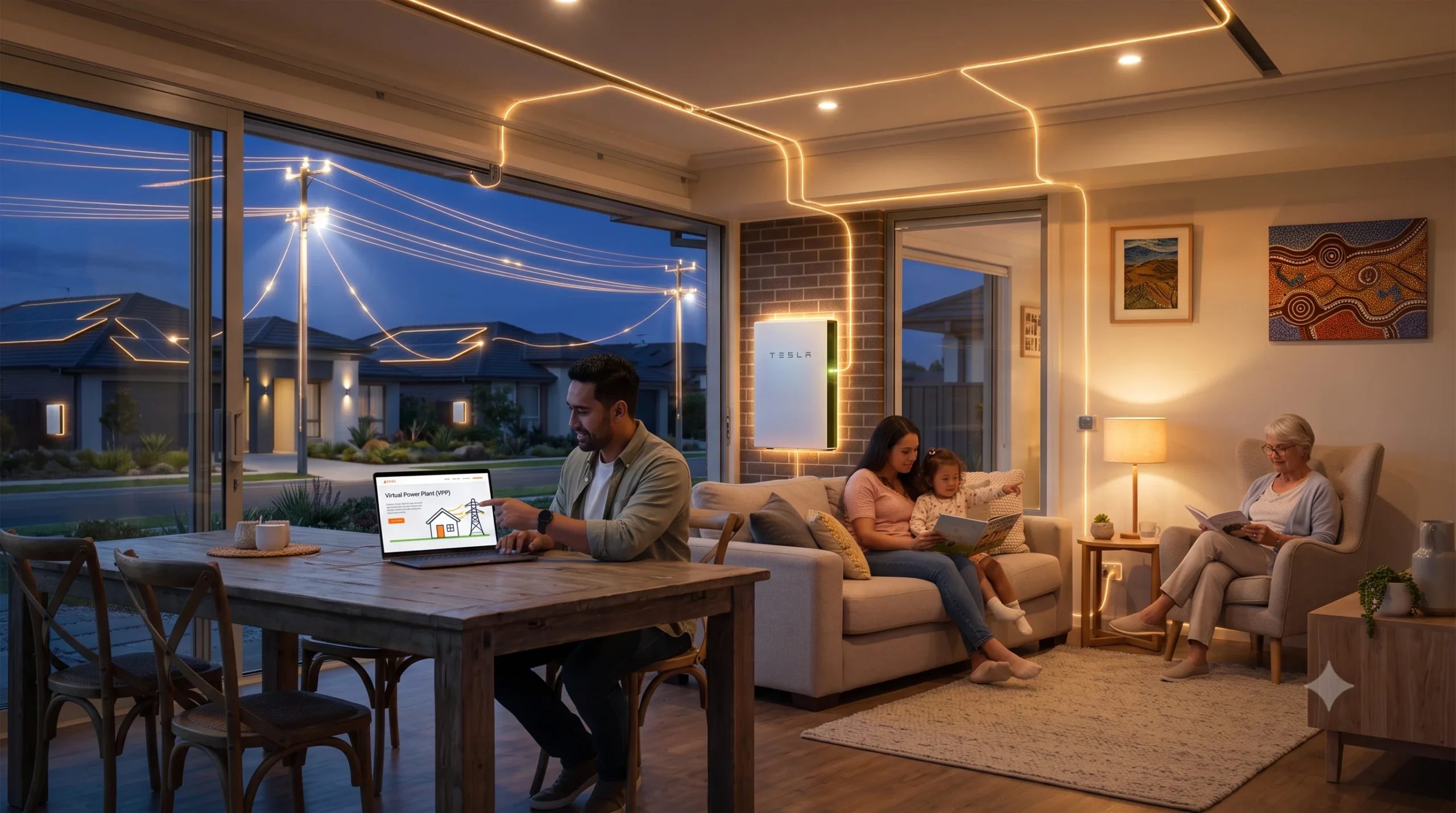
A Virtual Power Plant (VPP) is a network of distributed energy resources, usually home and business batteries, that are coordinated by an electricity retailer, energy company or specialist provider.
Software connects many smaller battery systems so they can work together and respond like a larger power station or grid-scale battery.
With the customer’s permission, a VPP provider can coordinate participating batteries based on the terms of the agreement.
How does a VPP operate?
With the customer’s permission, a VPP provider may charge, discharge or reserve part of the battery according to agreed contract rules.
During periods of high electricity demand or high wholesale prices, the provider may coordinate participating batteries to export stored electricity to the grid.
At other times, the provider may charge batteries or hold available capacity for a future event.
The exact level of control depends on the VPP provider, battery system and terms of the customer’s agreement.
What are the potential benefits?
Depending on the provider and agreement, joining a VPP may provide several benefits, including:
- Upfront incentives such as a joining payment or equipment discount.
- Ongoing rewards such as bill credits, event payments or enhanced export rates.
- Specialised retail plans or energy-management services.
- Grid support by making stored energy available during periods of high demand.
The available benefits, payments and eligibility requirements vary between providers.
What should you ask before joining a VPP?
Before signing up, it is important to understand how the provider can control your battery and what you receive in return.
Consider asking:
- How often can the provider control the battery?
- How much battery capacity will remain available for the household?
- What minimum reserve will be maintained?
- Are payments fixed, event-based or dependent on exported energy?
- Can you opt out of a VPP event?
- Are there penalties for opting out?
- What is the contract term?
- Are there any exit fees?
- Who is responsible for battery degradation?
- What happens if the internet connection or communications system fails?
- Does VPP participation affect the battery manufacturer’s warranty?
- Can the VPP change the battery’s reserve or backup settings?
Understanding these conditions before joining can help ensure the VPP arrangement suits your household’s energy needs.
VPP-capable is not the same as VPP-enrolled
A battery can be VPP-capable without the owner being required to immediately enrol in a VPP.
However, some rebates, incentives or retail packages may include specific VPP participation requirements.
If you are purchasing a battery under a particular program or offer, check the applicable terms and conditions to understand whether VPP participation is required.
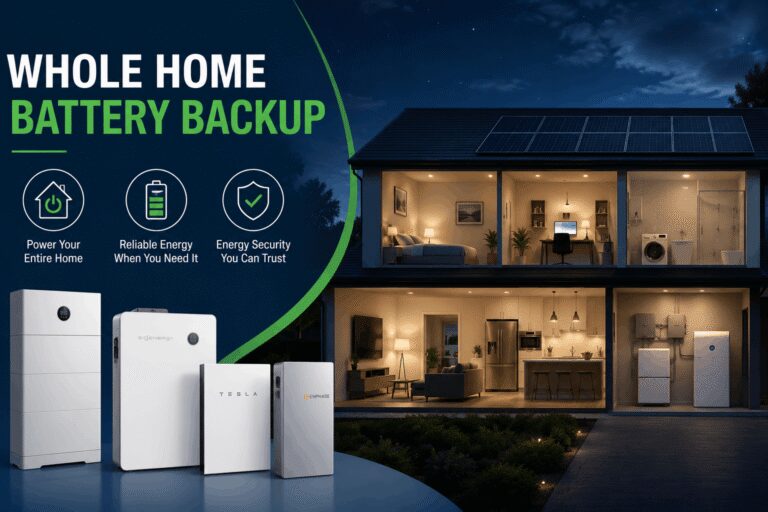
VPPs and backup power
A VPP arrangement can affect how much energy remains available in your battery.
If you value battery backup during a blackout, it is important to understand how the VPP will interact with your backup settings.
Before joining, confirm:
- What minimum state-of-charge reserve will be maintained.
- Whether the provider can discharge the battery below the nominated reserve.
- Whether you can change the reserve setting.
- Whether backup circuits remain available during a grid outage.
- How VPP participation affects your battery’s backup functionality.
If backup power is important to your household, make sure the VPP agreement provides the level of reserve you need.
Frequently asked questions
Will a VPP take all the energy from my battery?
Not necessarily. VPP arrangements vary between providers.
Many providers maintain a minimum battery reserve or allow the customer to nominate one. However, the exact conditions should be confirmed in the VPP agreement before enrolling.
Do I need solar to join a VPP?
Most residential VPP arrangements are designed around a compatible battery and often rooftop solar. However, specific equipment and eligibility requirements vary between providers.
Can I change VPP providers?
Possibly. Your ability to change providers may depend on the terms of your existing agreement, compatible equipment and any applicable exit fees.
Before switching, review your existing contract and confirm that your battery is compatible with the new VPP provider.
Learn more about Virtual Power Plants
Want to understand how VPPs work in more detail?
Solar Link Australia has a dedicated guide covering how Virtual Power Plants operate, how participating batteries are coordinated, potential customer benefits, battery control, backup power and important questions to ask before joining a VPP.
Read our full guide:
Virtual Power Plants (VPPs) — Solar Link Australia
Speak with Solar Link Australia
Solar Link Australia can help customers understand VPP-capable solar and battery systems and the technical considerations involved in battery reserve settings, export limits and backup configuration.
Our team can help you understand the technical side of your solar and battery system and what to consider when selecting equipment that may be suitable for VPP participation.
The commercial VPP agreement, including payments, battery control arrangements and contract conditions, remains between the customer and the relevant VPP provider.
Important information
VPP availability, retailer offers, tariffs, incentives and eligibility requirements can change over time.
Customers should confirm the current terms and conditions directly with the relevant provider before signing a VPP agreement or making an investment decision.
Authoritative sources
- NSW Climate and Energy Action — Virtual Power Plants
- Australian Government — How solar and batteries reduce bills
Information last reviewed: 26 July 2026.