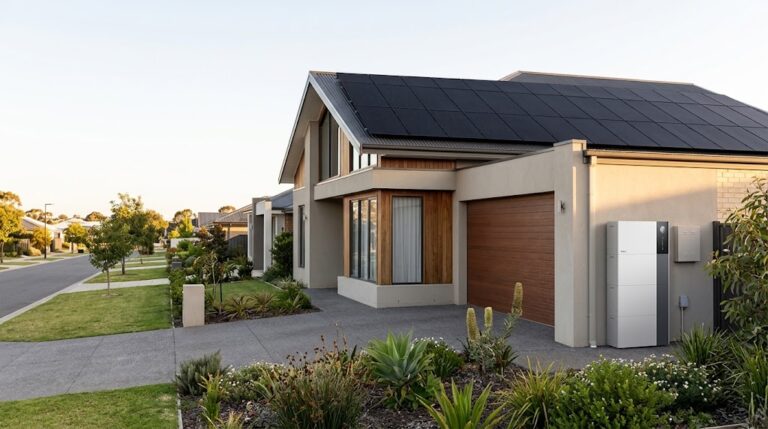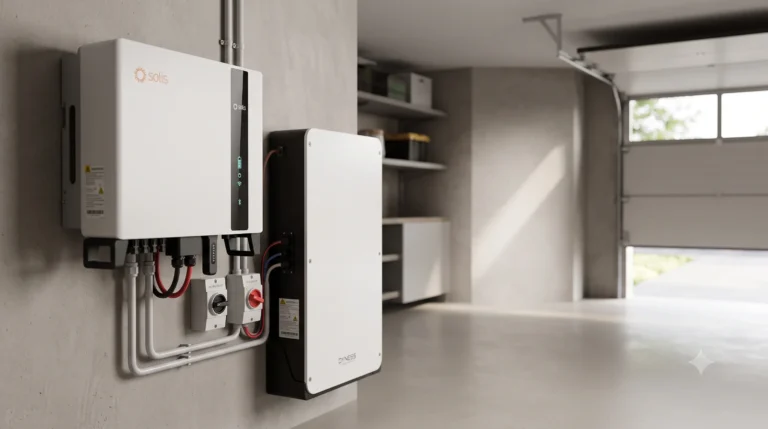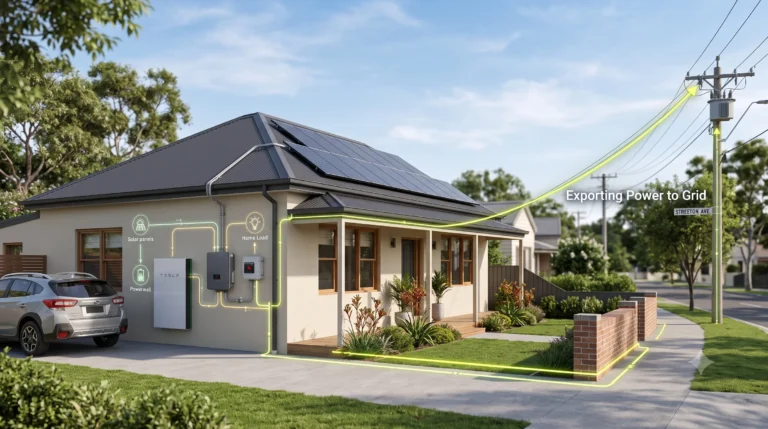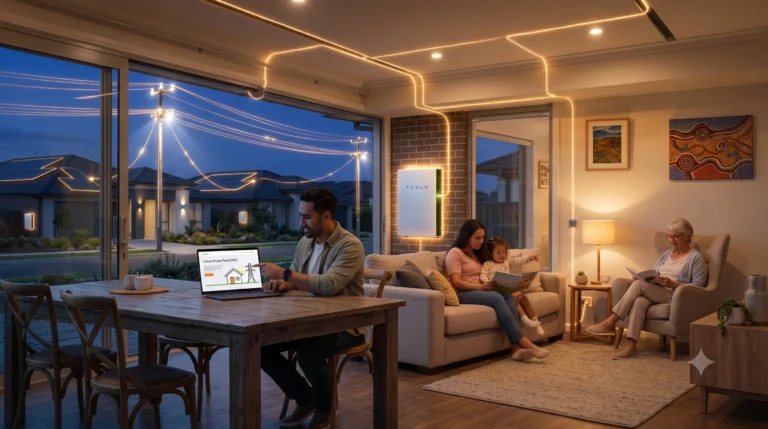


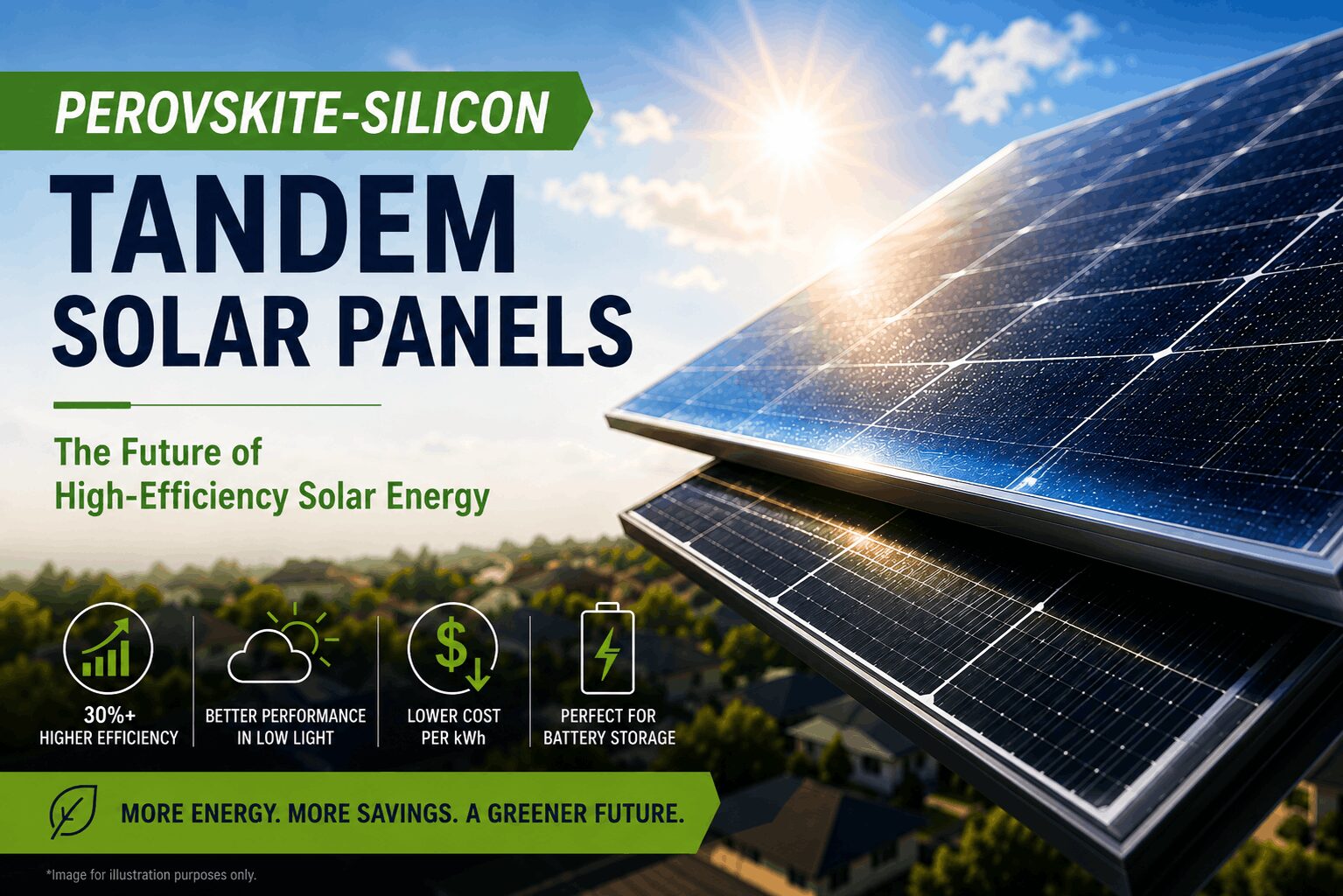
The solar industry is on the verge of its biggest technological breakthrough in decades. While today’s premium silicon solar panels typically achieve efficiencies of 22-24%, perovskite-silicon tandem solar panels are expected to push efficiencies beyond 30% within the next few years, delivering significantly more electricity from the same roof space.
For homeowners and businesses with limited roof area, this next generation of solar technology could be a game changer.
What Are Perovskite-Silicon Tandem Solar Panels?
Traditional solar panels use crystalline silicon cells to convert sunlight into electricity. Tandem solar panels combine these proven silicon cells with an ultra-thin layer of perovskite, a synthetic crystalline material capable of capturing wavelengths of sunlight that silicon cannot utilise efficiently.
By allowing each material to harvest different parts of the solar spectrum, tandem cells dramatically increase the amount of electricity generated from every square metre of solar panel.
Think of it as two highly efficient solar cells working together in a single panel.
Why Is This Technology So Exciting?
The benefits extend far beyond higher efficiency.
Higher Energy Production
Current premium residential solar panels generally achieve efficiencies between 22% and 24%.
Perovskite-silicon tandem modules are expected to reach:
- 28-30% commercial efficiencies by 2028
- 30-33% efficiencies shortly thereafter
- Laboratory cells have already exceeded 34% efficiency, with researchers targeting over 40% in the longer term.
This means homeowners could generate 20-35% more electricity without installing additional panels.
Better Performance in Low Light
Perovskite materials perform exceptionally well during:
- Cloudy weather
- Morning sunlight
- Late afternoon sunlight
- Diffuse light conditions
For Australian homes, this could result in more consistent energy production throughout the day and improved winter performance.
Lower Cost Per Kilowatt-Hour
Although early tandem panels will likely command a premium price, manufacturing costs are expected to fall rapidly as production scales.
Because each panel produces substantially more electricity, the overall cost per kilowatt-hour generated should decline, improving the return on investment for solar systems.
Ideal for Battery Storage
Higher-efficiency panels generate more energy from the same roof area, allowing batteries to recharge more quickly.
As battery storage becomes increasingly common, tandem solar panels will help households maximise self-consumption and reduce reliance on the electricity grid.
When Will Tandem Solar Panels Be Available?
The technology is advancing remarkably quickly.
Leading manufacturers including LONGi, Trina Solar, JinkoSolar, Oxford PV, GCL, Huasun and several European research organisations are investing billions of dollars into commercial production.
Small-scale commercial production has already commenced overseas, but widespread availability is expected over the next 2-3 years.
Industry analysts anticipate:
- 2026-2027: Limited premium commercial availability
- 2027-2028: Rapid manufacturing expansion
- 2028-2029: Mass production with increasing global availability
- 2030 onwards: Tandem technology likely becomes mainstream for premium solar installations.
Should You Wait?
This is one of the most common questions we receive.
For most Australian homeowners, the answer is no.
Electricity prices continue to rise, while generous government rebates for solar batteries and renewable energy remain available today. Every month spent waiting is another month of higher electricity bills and lost solar savings.
Modern N-Type TOPCon and HJT solar panels already offer exceptional performance, long warranties and outstanding reliability.
When tandem panels become mainstream, they are expected to be most attractive for:
- Homes with limited roof space
- Commercial buildings seeking maximum energy density
- High-energy users wanting to maximise battery charging
- Premium installations where maximum efficiency is the priority.
The Future of Solar Has Never Looked Brighter
Perovskite-silicon tandem solar panels represent one of the most significant advances in photovoltaic technology since the commercialisation of silicon solar cells.
With efficiencies expected to exceed 30% within the next few years, these next-generation panels will allow Australian homes and businesses to generate substantially more renewable energy from the same rooftop.
At Solar Link Australia, we continuously monitor emerging solar technologies and partner with leading global manufacturers to ensure our customers benefit from the latest innovations as they become commercially proven.
If you’re considering solar today—or would like to understand how future tandem technology may fit into your long-term energy plans—contact Solar Link Australia for expert advice and a free, no-obligation quotation.