

What is a time-of-use tariff?
A time-of-use (TOU) tariff charges different electricity usage rates depending on when electricity is consumed.
Generally, electricity is divided into different periods:
- Peak: The most expensive period, usually when electricity demand is highest.
- Off-peak: A lower-cost period, often during overnight or other lower-demand times.
- Shoulder: A period between peak and off-peak rates that may have a moderate electricity price.
The exact times and rates can vary depending on your electricity retailer, network area, season, and whether it is a weekday or weekend.
This means the cost of using an appliance can change depending on the time of day.
What is a demand tariff?
A demand tariff includes a charge based on the highest amount of power drawn from the electricity grid during a defined period.
This is different from a standard usage charge.
Electricity usage is generally measured in kilowatt-hours (kWh), which represents the amount of energy consumed over time.
Demand is measured in kilowatts (kW) and looks at the intensity of electricity use at a particular point or over a short interval.
One short spike can matter
Running several high-power appliances at the same time can create a significant demand spike.
Depending on the tariff, that spike could contribute to the demand charge for part of your electricity bill.
The exact calculation period, demand window and frequency at which the demand charge resets can vary significantly, so customers should carefully check their retailer’s tariff schedule.
Who may benefit from time-of-use pricing?
Time-of-use pricing can work well for households that are able to shift their electricity consumption to cheaper periods.
This may include:
- Households that can move substantial electricity usage away from evening peak periods.
- Homes with programmable batteries that can charge during cheaper periods and discharge during peak times.
- Electric vehicle owners who can charge overnight or during a lower-cost or free daytime period.
- Homes with timers or smart controls for hot water systems, pool pumps and other appliances.
The potential benefit depends on your actual electricity usage and the difference between the tariff rates.
How can you manage demand charges?
If your electricity plan includes demand charges, managing when high-power appliances operate can help reduce the chance of creating a large demand peak.
Some strategies include:
- Avoid running multiple high-power appliances simultaneously during demand periods.
- Stagger electric vehicle charging, hot water heating, air conditioning, ovens and pool equipment.
- Use a battery for peak shaving where technically and financially suitable.
- Monitor your electricity usage through your retailer’s portal or an energy-monitoring system.
- Check whether the demand charge is based on a monthly, seasonal or annual maximum.
Understanding your household’s electricity consumption patterns is important before deciding whether demand management strategies will provide meaningful savings.
Solar and batteries
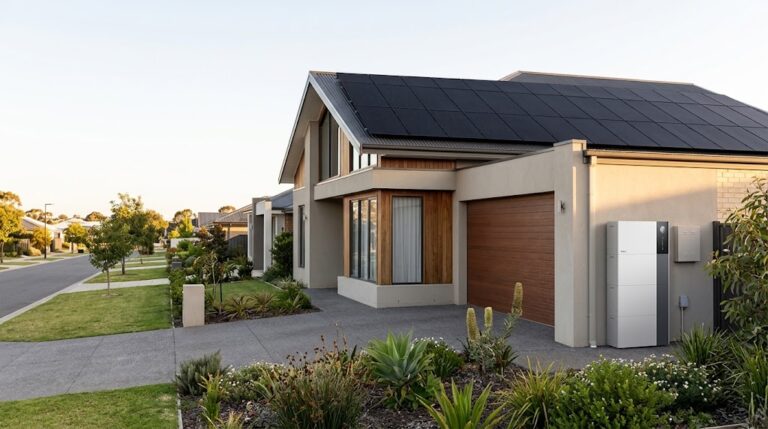
Solar panels can reduce the amount of electricity your home imports from the grid during daylight hours.
However, solar generation may not coincide with your household’s highest-demand periods.
For example, a home may generate significant solar electricity around midday but experience its highest electricity consumption in the evening when solar generation has fallen.
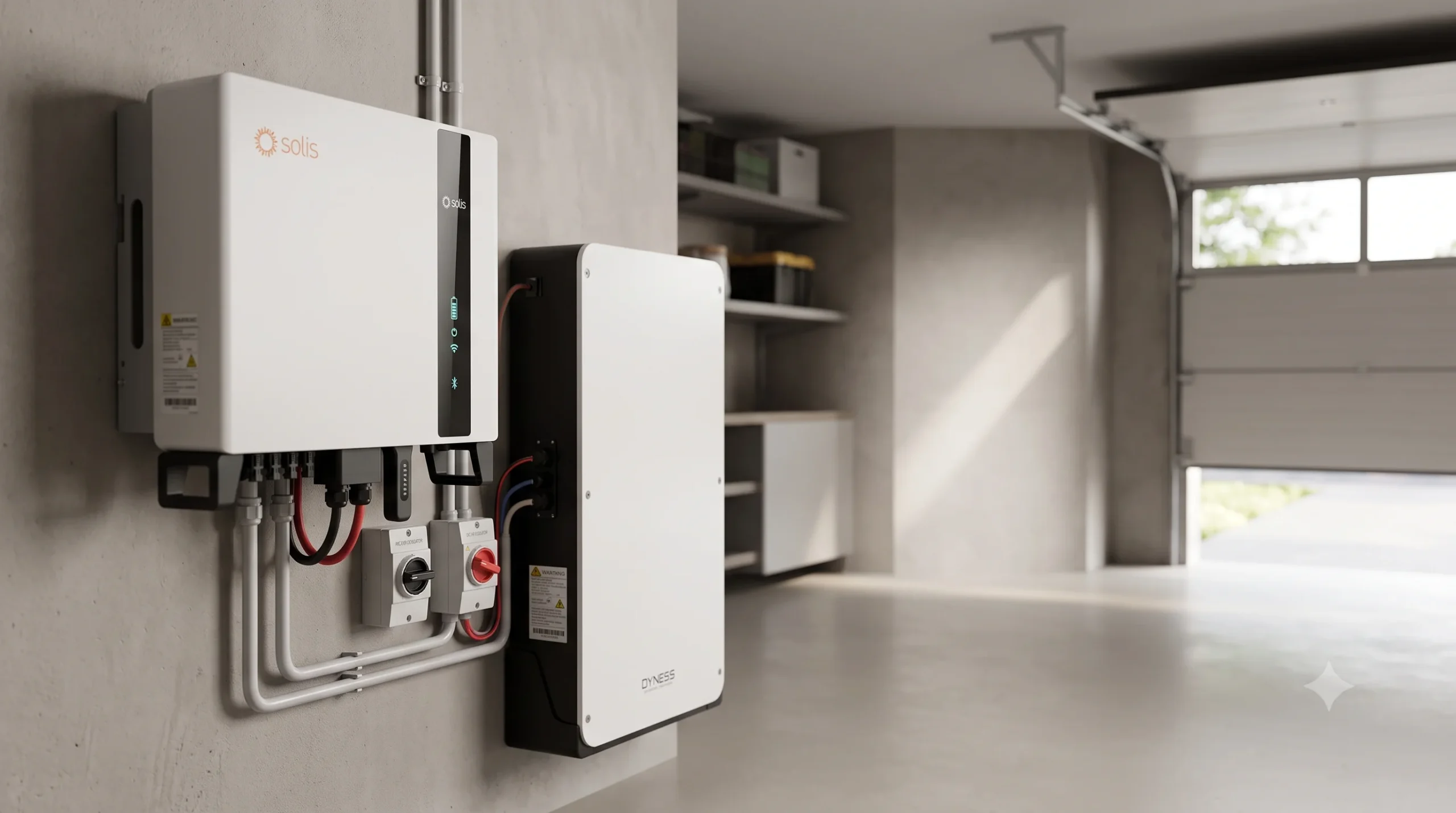
A correctly configured battery can help shift energy between these periods.
Depending on the system and electricity plan, a battery may:
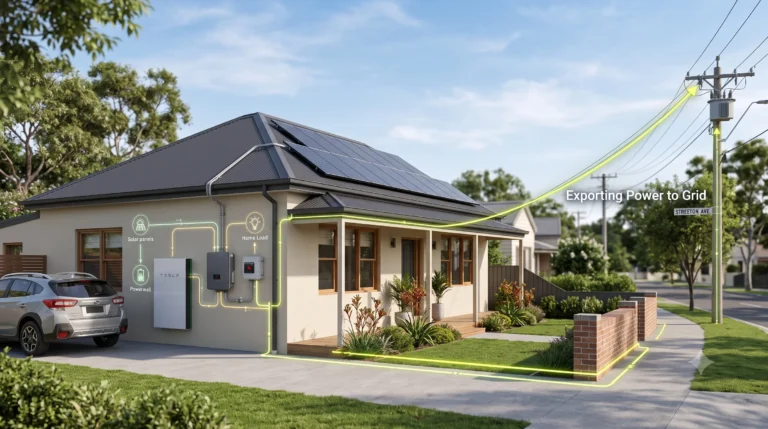
- Store excess solar energy during the day.
- Discharge during expensive peak periods.
- Reduce grid imports during demand windows.
- Charge using lower-cost off-peak electricity where permitted.
- Charge during a regulated or retailer-provided free-power period.
- Help reduce the household’s reliance on grid electricity during high-cost periods.
However, battery savings depend on several factors, including the tariff structure, price difference between periods, battery efficiency, available battery capacity, inverter power and the system’s control strategy.
What is peak shaving?
Peak shaving is the process of reducing the amount of electricity your home draws from the grid during periods of high demand.
A battery can potentially do this by supplying some of the home’s electricity demand instead of allowing that electricity to be drawn from the grid.
For households on demand tariffs, this can be particularly relevant because reducing a short period of high grid demand may help reduce the demand component of the electricity bill.
However, the battery needs to have enough available energy and power output at the right time, and the tariff must calculate demand in a way that allows the strategy to provide a financial benefit.
What should you check before switching tariffs?
Before moving to a time-of-use or demand tariff, it is important to understand how your household actually uses electricity.
Consider reviewing:
- Several months of interval electricity usage data.
- Daily supply charges as well as usage rates.
- Exact peak, shoulder and off-peak periods.
- The demand calculation period and demand windows.
- Seasonal differences in electricity consumption.
- Weekend usage patterns.
- Work-from-home patterns.
- Electric vehicle charging habits.
- Whether changing tariffs later requires a meter or retailer change.
A tariff that looks cheaper based on advertised rates may not necessarily result in a lower annual bill for your particular household.
Frequently asked questions
Are time-of-use and demand tariffs the same?
No.
A time-of-use tariff changes the price you pay for each kilowatt-hour depending on the time of day.
A demand tariff adds a charge based on the highest rate of electricity draw during specified intervals.
Some electricity plans can incorporate both types of charges.
Do I need a smart meter?
Time-based and demand tariffs generally require interval metering, usually through a smart meter.
Your retailer can confirm whether your existing meter is suitable for the tariff you are considering.
Can a battery eliminate peak charges?
A battery may reduce peak demand, but it cannot automatically eliminate demand charges.
The result depends on factors such as:
- Battery state of charge.
- Battery capacity.
- Inverter power output.
- Household electricity demand.
- The timing of the demand event.
- How the electricity retailer calculates demand.
The battery also needs to be correctly configured to respond during the relevant periods.
Is a time-of-use tariff always cheaper?
No.
A time-of-use tariff can be beneficial for households that can shift substantial electricity consumption into cheaper periods.
However, if a household uses a large amount of electricity during peak periods, the tariff could potentially result in higher costs.
The best way to assess a tariff is to compare it against your actual historical electricity usage.
Speak with Solar Link Australia
Solar Link Australia can review electricity usage data and help design a solar and battery system around peak avoidance, off-peak charging, self-consumption and demand management.
A battery system can be configured to suit different electricity usage patterns, but the potential savings depend on your specific tariff, household consumption, battery capacity and system configuration.
Customers should always confirm the current tariff, rates, demand calculation and conditions directly with their electricity retailer before relying on projected savings.
Important information
Electricity tariffs, retailer offers, government programs and eligibility requirements can change over time.
Customers should confirm current rates, tariff structures and conditions directly with their electricity retailer before switching plans or making an investment decision.
Information last reviewed: 26 July 2026.
Authoritative sources
- Australian Government — Electricity pricing plans and tariffs
https://www.energy.gov.au/solar/financial-benefits-solar/electricity-pricing-plans-and-tariffs - Australian Government — Reduce energy bills
https://www.energy.gov.au/households/household-guides/reduce-energy-bills